






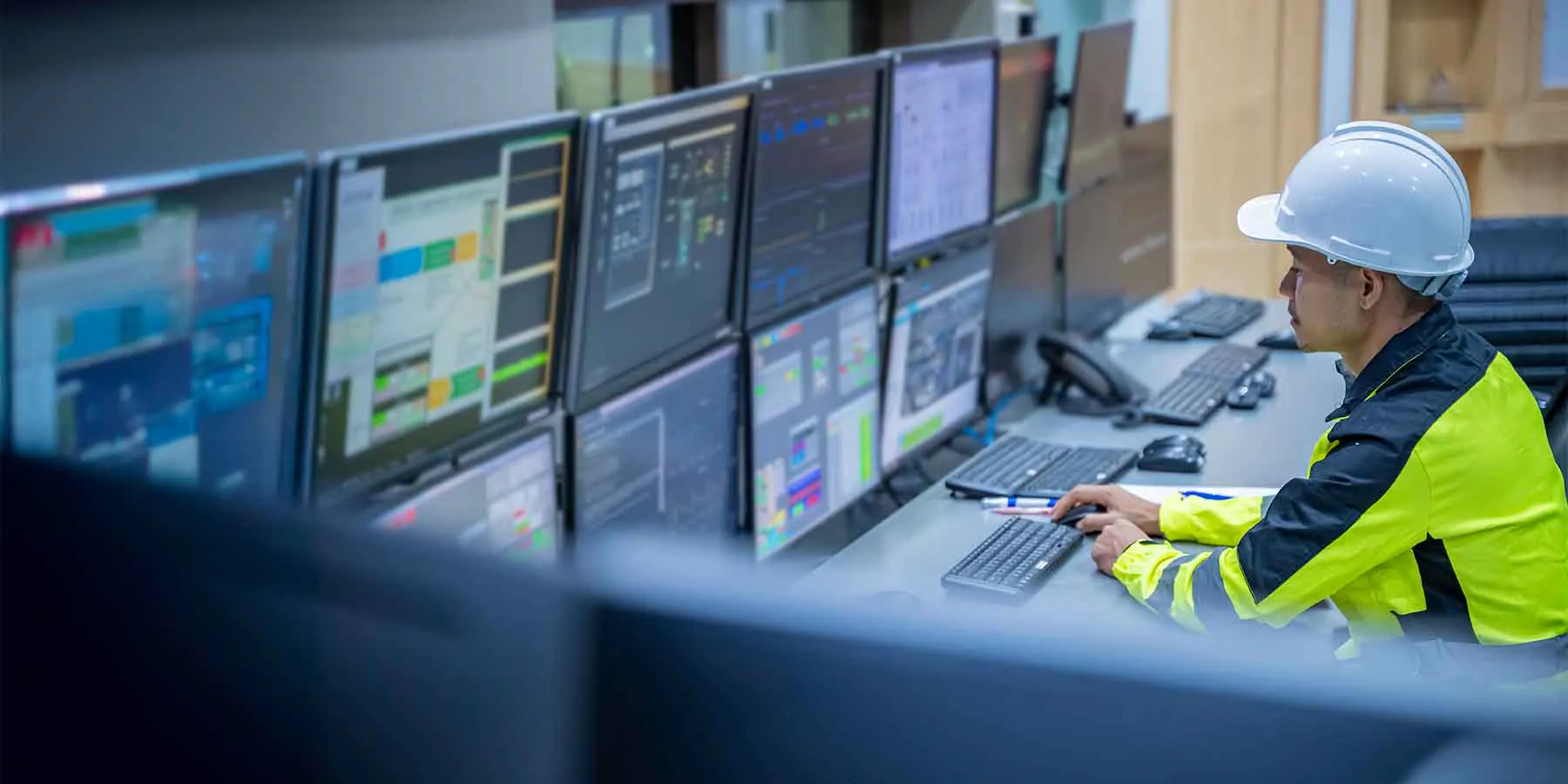
Collating big data into structured databases and creating rapid analysis and presentation is the key to providing energy dashboards and long-term compliance.
Used by some of the most advanced heat networks in UK, the heat network dashboard has proven itself to be a key tool in maintaining efficiency, seamlessly expanding with growth and long-term accessible histories of high-resolution data.
We collate data from all sources in all protocols and data communication methods with our energy system dashboards. We structure energy databases that are large, efficient and high frequency, in order to provide access, analytics, and presentation of energy system data.
Clear, accurate and visual reporting of energy systems allows owners, operators and stakeholders to access vital information for effective system operation. Our trend analysis identifies where and why systems have deviated from planned levels.
Sustainable Energy’s performance reporting provides high-frequency data, presented in annual aggregated, periodic reports. We set key KPIs for system losses, Coefficient of Performance (COP), Total Efficiency Ratios (TER).
Ready to move forward?

Building energy dashboards
Despite evolving standards, our dashboard is fully equipped to monitor key metrics, giving you a head start in optimising your system.
Visualising energy information for single or multiple building assets in a clear and informative way allows you to manage portfolios with minimal administrative time and effort.
Our dashboards are developed around our users to efficiently manage energy systems and buildings. The energy dashboards collate data from multiple sources, combine and store for real-time analysis and reporting of system efficiency and performance.
We track carbon intensities, cost savings, and automate reporting to minimise owners’ time for collating data and reporting.
Whether it’s just a PV system or an integrated energy system, our dashboards provide a consistency of data and access to multiple assets and sites.

Smart energy networks
Our intelligence is extensive with dedicated servers running complex analytics.
By visualising energy networks, you can swiftly see which parts of your heat network perform efficiently and identify where inefficiencies lie. In addition, continuous cloud-based data storage gives access to historical data. Moreover, you can see the impact of changes you make to your heat network.
By using the simple traffic light system principles, you can easily gauge how the system is performing against the KPIs you set. Simple alert features mean you can be proactive in managing or optimising the network.

Monitoring and targeting
Optimal long-term performance requires careful management of a number of areas, including fuel procurement, system availability and system efficiency.
At Sustainable Energy, we have assisted clients in optimising the ongoing operation of renewable and low-carbon energy systems across a range of scales and technologies. We provide annual performance reviews to ongoing monitoring, and compliance support.
Our post-commissioning monitoring and evaluation services include remote monitoring and management, performance investigation and annual auditing.

Data aggregation and automated meter reading
Our energy dashboard and data services transfer energy and utility data between customers and suppliers.
Details of upcoming regulations for heat networks have begun to be published. These show how the performance of heat networks will be measured and the metering and monitoring required to provide data, which involves more than just heat meters. While these documents cover new build networks specifically, they give an important indication of the direction of travel for existing networks too.
To ensure heat network operators can measure the performance of their networks, initial focus will be on data health. This ensures your network can consistently capture, transmit, and store complete data to support regulatory reporting.
Many existing heat networks are not yet equipped to meet these expectations. Issues such as poor connectivity, incomplete data sets, and missing meters or sensors are common. In some cases, even where meters are installed, they are not readable remotely, making it impossible to meet likely regulatory requirements.
Storing the seasons: Reinventing heat at Caerphilly’s Council HQ
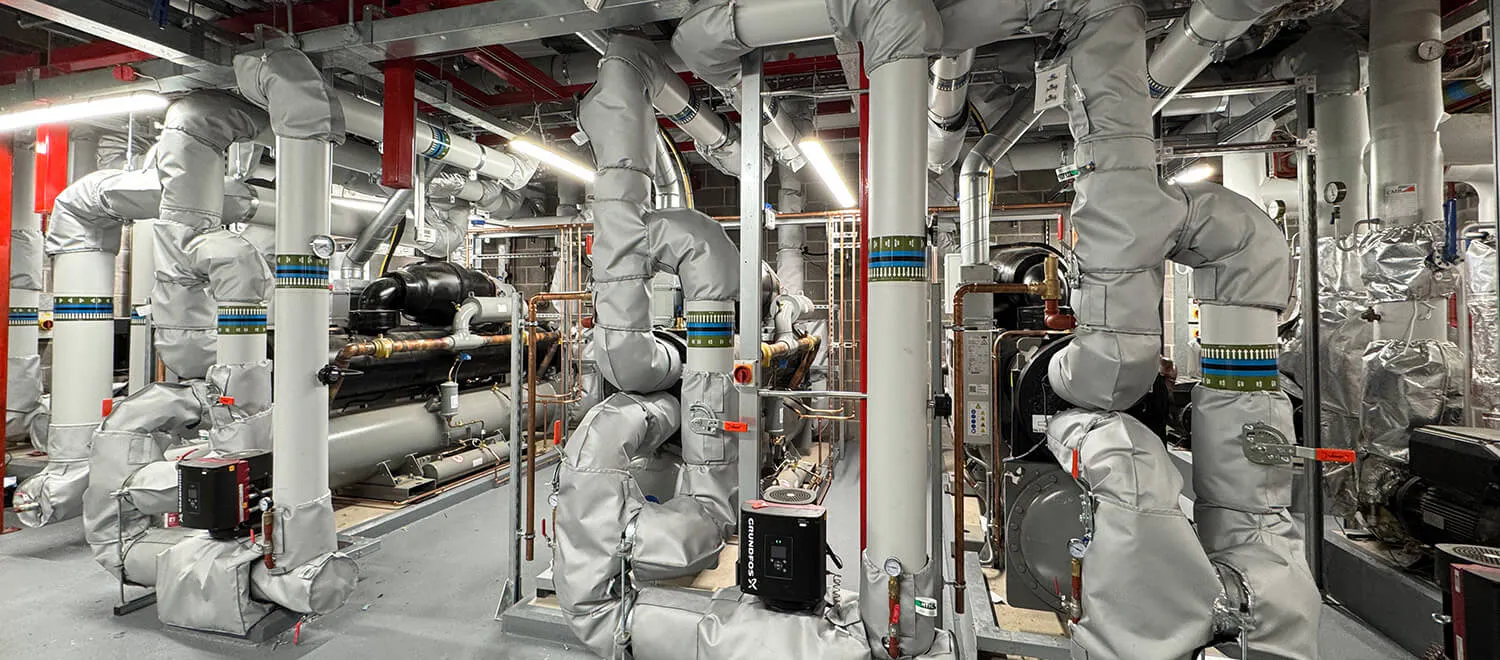
Ty Penallta, built in 2009, serves as the headquarters of Caerphilly County Borough Council and had suffered persistent heating and cooling underperformance since construction.