







/-1.3464689465940316,54.81566059232417,6,0/500x500@2x?access_token=pk.eyJ1IjoibGltZWdyZWVudGFuZ2VyaW5lIiwiYSI6ImNtbHA0NmozZzAwdDgzaHM5MW8zaWs2eWIifQ.jPG-FfO-fBhkFOFoh2gMDQ)
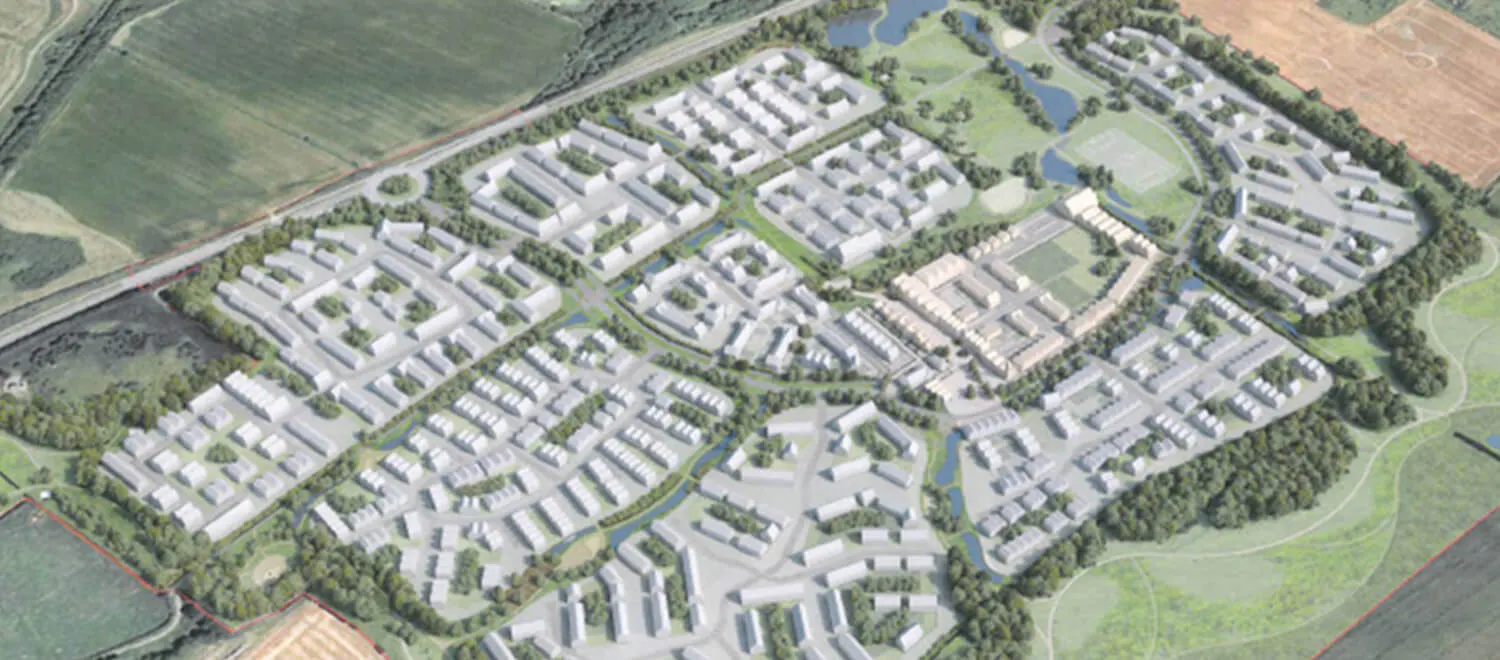
South Seaham Garden Village is a planned development of 1,500 homes, of which half are intended as affordable housing, alongside a primary school, health hub, and innovation centre in County Durham. The site sits adjacent to the Dawdon mine water treatment facility, where the Mining Remediation Authority already pumps 18–20°C mine water to prevent aquifer contamination, presenting a ready-made low carbon heat source. Our work spanned feasibility through to full commercialisation and procurement support, securing £4.4m in HNIP funding.
We identified mine water source heat pumps as the optimal technology, developed the full feasibility case and RIBA Stage 2 concept design, and then led commercialisation - including a successful HNIP grant application, tender documentation, and concession procurement. A winning contractor has now been appointed and construction began in early 2025.
Scope
In May 2019, we were commissioned by HNDU, with support from the Mining Remediation Authority, to undertake a feasibility study evaluating the opportunity to develop a mine water source heat pump scheme to serve the planned South Seaham Garden Village. This included energy demand and supply assessment, technology options appraisal, RIBA Stage 2 concept design for the energy centre and distribution network, techno-economic cash flow modelling, and a successful HNIP funding application. Following the feasibility stage, we were reappointed in February 2020 to provide commercialisation support to Durham County Council, taking the project through to contractor procurement via a concession arrangement. This included development of a full reference design and tender documentation pack, Employer's Requirements, KPI framework, planning support, and chairing of technical dialogue sessions with shortlisted bidders. A winning bidder was appointed and construction commenced in early 2025.
Services
Feasibility Study, Techno-Economic Modelling, RIBA Stage 2 Design, HNIP Grant Application, Employer's Requirements & Tender Documentation, Planning Support, Technical Dialogue & Tender Evaluation.
Solution
A no-gas low-temperature hot water district heating network was designed around two 1 MW mine water source heat pumps, 120,000 litres of thermal storage, and electric peak and reserve boilers - futureproofed for full village buildout. By leveraging the Mining Remediation Authority's existing mine water pumping infrastructure and the naturally elevated source temperatures, the scheme achieves high seasonal CoP while minimising both capital and operating costs.